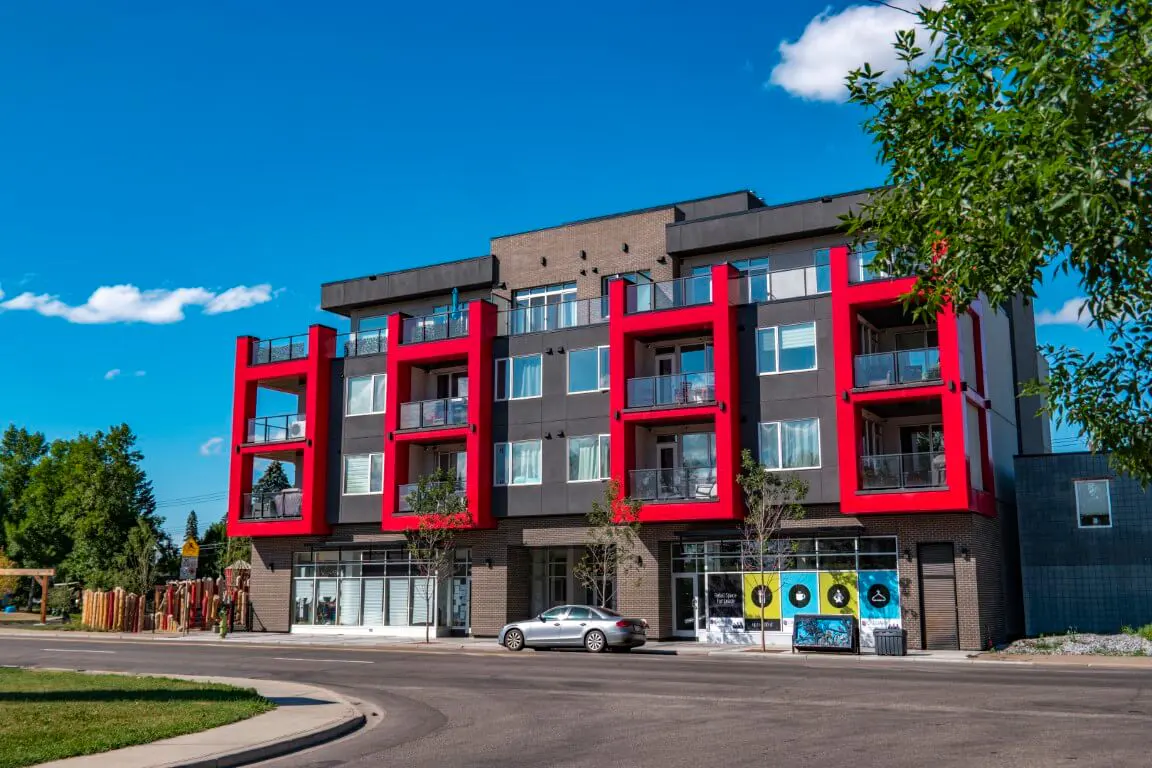
01Buyer decision
Which Inglewood property form, ownership structure and completion stage fit the intended use and budget? For this buyer decision file, use that evidence to state the buyer's real trade-off before broadening or narrowing the search. Read it beside: Verify current Inglewood parks, pathways, recreation facilities and any access or membership rules with the operator or municipality. Comparison checkpoint: Bridgeland/Riverside. Compare another river-adjacent inner-city market with detached, attached and condominium choices and different route and hillside relationships. Current listing status still belongs to the approved live record.
02Property review
Identify address-specific water, drainage, slope, noise, traffic, construction, fire, environmental or insurance questions relevant to the Inglewood property; do not generalize an exposure to every home. Applied to the buyer decision file, the evidence helps assign the unresolved issue to the right document, inspection or professional review. Read it beside: Confirm the exact Inglewood boundary and the listing's community field against the current municipal map or address record before publication. Comparison checkpoint: Beltline. Compare a nearby apartment-led urban market where building governance, walkability, parking and immediate commercial context carry more weight. Condition and legality still require the documents and review appropriate to the property.
03Housing baseline
640 occupied private dwellings were reported as single-detached houses in the 2021 Census profile (28%); 625 apartments in buildings with fewer than five storeys represented another 27%. Within the buyer decision file, its job is to classify the housing form and effective age before selecting comparable properties. Read it beside: Compare the adjoining historic inner-city community for older detached homes, infill and a different relationship to industrial, rail and escarpment edges. Comparison checkpoint: Ramsay. Compare the adjoining historic inner-city community for older detached homes, infill and a different relationship to industrial, rail and escarpment edges. A lender or mortgage professional must decide how the actual property affects financing acceptance.
04Mobility and daily context
2,060 residents aged five and older had moved within the prior five years (52%); that is household-mobility context rather than a proxy for real estate turnover. The buyer decision file should use this record to test the route, access or amenity relationship from the exact address. Read it beside: Community research and publication verification. Publisher record: source verification pending. Comparison checkpoint: Downtown. Compare nearby central condominium inventory for building-specific ownership, amenities, parking, fees and a more intensive urban setting. Community context cannot establish value for the subject home.
05Community identity
The profile counted 4,130 people in private households across 2,285 households, with an average household size of 1.8 people. Here, the practical use is to keep the dated community baseline separate from assumptions about the household or home. Read it beside: Caption improvements and inclusions precisely so buyers can separate documented value from decoration or staging. Comparison checkpoint: Bridgeland/Riverside. Compare another river-adjacent inner-city market with detached, attached and condominium choices and different route and hillside relationships. A named source supports only the claim and geography recorded for it.
06Compare Ramsay
Compare the adjoining historic inner-city community for older detached homes, infill and a different relationship to industrial, rail and escarpment edges. Carry this into the buyer decision file to explain why the comparison area belongs in the active alternative set. Read it beside: Ramsay — Compare the adjoining historic inner-city community for older detached homes, infill and a different relationship to industrial, rail and escarpment edges. Comparison checkpoint: Beltline. Compare a nearby apartment-led urban market where building governance, walkability, parking and immediate commercial context carry more weight. A comparison relationship does not make two properties or communities equivalent.
072021 Census Community Profile: Inglewood
Census population, household, tenure, dwelling-form and construction-period context. Publisher record: The City of Calgary. For the buyer decision file workflow, use it to attach a named source and support boundary to the factual claim. Read it beside: Review the current title and applicable registered instruments, easements, caveats, liens, encumbrances and plans with qualified legal advice. Comparison checkpoint: Ramsay. Compare the adjoining historic inner-city community for older detached homes, infill and a different relationship to industrial, rail and escarpment edges. Historical evidence must not be presented as current inventory or operating status.
08Seller positioning
Lead with the real differentiators of the Inglewood property: site, effective age, documented improvements, layout, ownership structure and immediate setting. The next step in the buyer decision file is to anticipate the evidence a future resale or negotiation may need. Read it beside: Compare the exact Inglewood parcel for dimensions, orientation, grade, access, easements and neighbouring context; the community profile does not describe those property-level attributes. Comparison checkpoint: Downtown. Compare nearby central condominium inventory for building-specific ownership, amenities, parking, fees and a more intensive urban setting. The paired records define the next question; they do not settle the property conclusion.